Are your plants struggling despite regular watering and feeding? The hidden answer lies underground. A soil tester eliminates guesswork, revealing exactly what your garden needs to thrive.
A soil tester measures key factors like pH, moisture, and often light, giving immediate insight into soil condition. By interpreting these readings, gardeners can water correctly, adjust acidity, and build the ideal foundation for robust root health and vibrant growth.
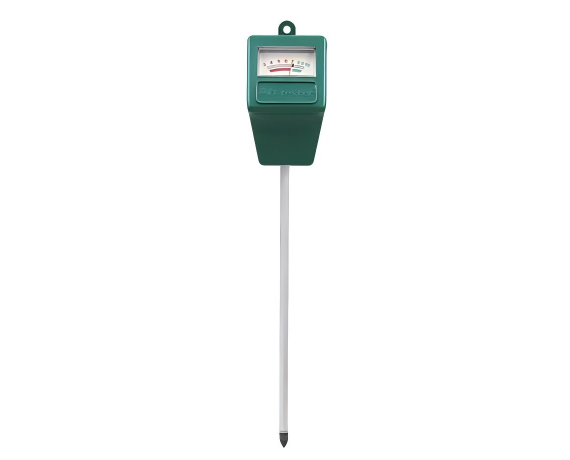
Healthy plants don’t just happen—they start with healthy soil. Yet soil holds its secrets tight, looking the same whether it’s starving for nutrients or locked up with the wrong pH. A simple tester translates what the roots experience into clear, actionable numbers. Each measurement tells a story: too dry and nutrients can’t dissolve, too acidic and essential elements become trapped. Understanding these basics transforms a routine plant care into a truly informed practice, and that’s precisely where a reliable soil tester becomes a gardener’s most trusted tool.
Why Soil Testing Matters for Plant Growth
You water faithfully, yet leaves yellow; you fertilize, but flowers refuse to bloom. The problem often hides underground, where imbalanced pH or erratic moisture locks the pantry door on nutrients.
Soil testing uncovers pH levels and moisture content, the two main drivers of nutrient availability. Even nutrient-rich soil can starve plants if the pH is off, while improper watering can drown delicate roots or trigger drought stress despite regular care.
Digging into the science a bit, plant roots absorb nutrients like nitrogen, phosphorus, and potassium not directly, but in dissolved form. The soil’s acidity or alkalinity acts as a gatekeeper. When pH drifts too far from a plant’s comfort zone, certain minerals become chemically bound and inaccessible—a condition often called nutrient lockout. Moisture, meanwhile, is the delivery system: too little and nutrients stay crystalized, too much and roots suffocate. Measuring both parameters regularly gives a gardener the equivalent of a plant’s medical checkup, catching stress before it shows up as wilted leaves or stunted fruit. Below is a quick reference for where many common plants feel most at home.
| Plant Type | Ideal pH Range |
|---|
| Most vegetables | 6.0 – 7.0 |
| Acid-loving plants (blueberries, azaleas, rhododendrons) | 4.5 – 5.5 |
| Lawns and many ornamentals | 6.0 – 7.0 |
| Succulents and cacti | 5.5 – 6.5 |
Soil pH Tester: Check Soil Acidity and Alkalinity with Ease
Hydrangeas blooming pink instead of blue, tomatoes producing more leaves than fruit—these are clear signs of a pH imbalance that’s silently sabotaging the garden, and a soil pH tester can uncover the issue in seconds.
A soil pH tester gauges acidity or alkalinity on a 0-to-14 scale, with 7 as neutral. Most garden plants thrive in slightly acidic to neutral ground (6.0–7.0). This simple check confirms that nutrients stay chemically soluble and ready for root absorption.
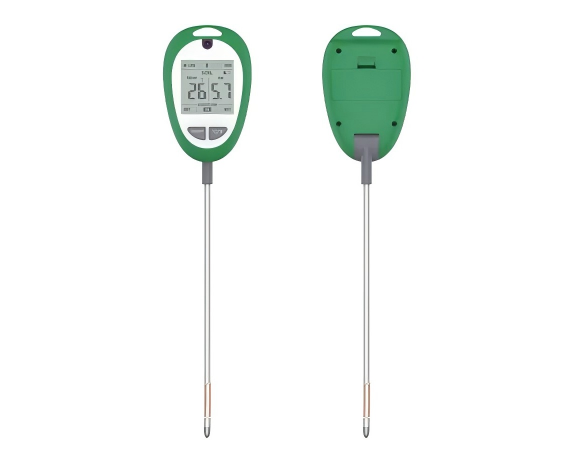
Understanding the scale doesn’t require a chemistry degree. A reading below 7 means acidic soil, where micronutrients like iron and manganese become highly available but calcium and magnesium may wash away. Above 7, the soil is alkaline, often making iron unavailable and leading to yellowing between leaf veins. A dedicated pH tester—whether a simple probe or a more advanced digital meter—lets gardeners map different beds individually, since a shaded corner may have a completely different profile than a sunny vegetable patch. For quick spot checks, analog needle meters require no batteries and work right away; digital versions add precision and hold the reading. Whichever style is chosen, the key is to test several spots and avoid freshly fertilized or overly wet patches to get a true baseline. To keep readings trustworthy, always wipe the probe clean after each use and occasionally check calibration with a known buffer solution—a step that takes moments but preserves the meter’s accuracy season after season.
Soil Moisture Meter: Know When Your Plants Need Water
Overwatering is the number one reason houseplants and garden seedlings fail, yet the top inch of soil can feel dry while the root zone stays sopping wet—a trap that a soil moisture meter neatly avoids.
A soil moisture meter measures the water content in the root zone, typically displaying a reading on a dry-to-wet scale or as a percentage. It replaces guesswork with precision, helping gardeners prevent root rot from overwatering and leaf wilt from underwatering.
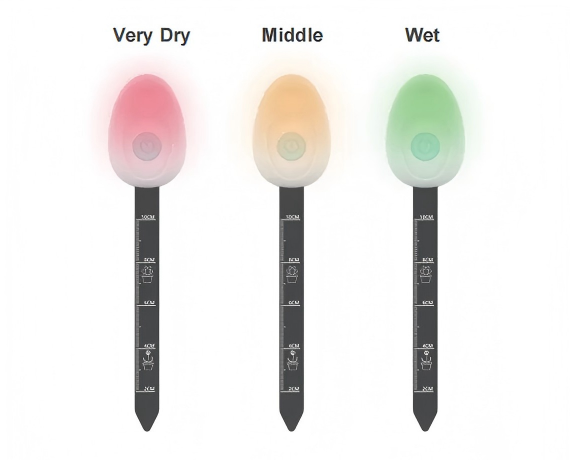
How these meters read below the surface is elegantly simple: a probe with two electrodes measures the soil’s electrical conductivity, which increases as moisture rises. The translation into “dry,” “moist,” or “wet” is instant and requires no waiting. Different plants demand different moisture profiles. A fern prefers consistently moist earth, while a snake plant wants its soil to dry out completely between waterings. By inserting the probe near the root ball and taking a quick reading, gardeners learn to water based on the plant’s actual thirst, not a calendar. A few practical tips help: clean the probe tip after each use to keep readings accurate, avoid leaving the meter permanently in the soil, and for larger pots, test multiple spots to see how evenly water is distributed.
How to Choose the Right Soil Tester for Your Garden
Faced with everything from single-purpose probes to all-in-one digital gadgets, even experienced plant lovers can feel overwhelmed. The right pick depends entirely on what is grown and how deep the soil insights need to go.
Select a soil tester based on the parameters required: pH, moisture, light, or a combination. For most home gardeners, a 3-in-1 meter provides a balanced starting point, while dedicated pH or moisture meters serve those with specific plant concerns like acid-loving beds or tricky indoor watering.
To narrow down the options, consider the primary garden challenge. If mysterious leaf yellowing is the main concern, a standalone pH tester brings clarity. If plant after plant succumbs to root rot or wilt, a moisture meter should be the first purchase. Multi-function meters that also read light intensity help with placement decisions for houseplants, but they typically trade some sensitivity for versatility. Another practical layer is the design: slender single probes suit potted plants, while longer probes reach deeper into garden beds. The table below sorts out which type aligns with different gardening styles.
| Tester Type | Best For | Keep in Mind |
|---|
| Analog moisture meter | Quick pot checks, no batteries needed | May be less precise in very sandy soil |
| Digital pH meter | Precise acidity tracking for acid-lovers | Requires calibration and careful probe cleaning |
| 3-in-1 meter (pH, moisture, light) | General home gardeners wanting one tool | Slightly less specialized per function |
| Dedicated moisture probe | Houseplant collectors, patio containers | Reaches root-level depth fast |
Beyond the feature list, build quality makes a genuine difference in daily use. A well-constructed tester uses a durable probe that resists corrosion, a clear display that’s easy to read under garden light, and internal components that don’t drift wildly with temperature changes. This is where a manufacturer’s background counts: companies with decades of precision instrument experience tend to engineer meters that hold calibration longer and survive being poked into tough clay again and again. Before buying, check that the probe shaft feels solid, the scale or screen is crisp, and the grip sits comfortably in the hand—simple details that determine whether the tool becomes a daily habit or a drawer-dweller. Once the right tester comes home, a quick once-over of the instructions on probe depth and reading time ensures the very first measurement points the garden in a healthier direction.
Conclusion
When soil secrets are revealed, plants speak a clearer language—better growth, fewer problems, and the quiet satisfaction of getting it right with every season.
 English